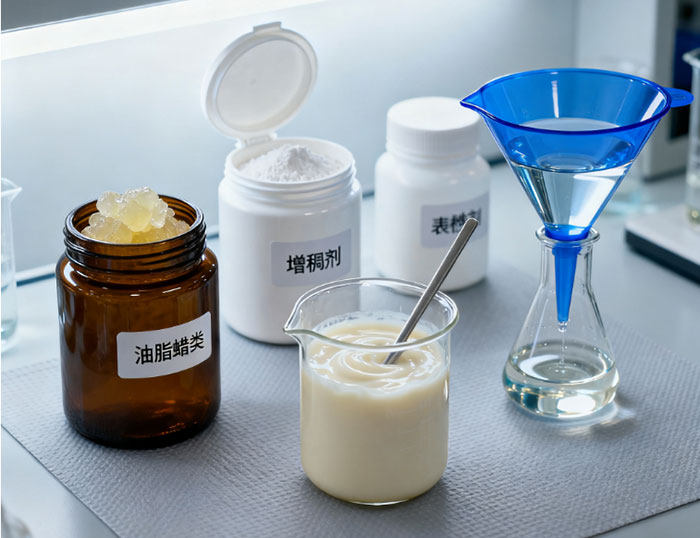
The global cosmetics industry is undergoing a significant transformation, driven by increasingly sophisticated consumer demands for safety, proven efficacy, and environmental responsibility. The focus has decisively shifted from marketing claims to the scientific and ethical credentials of the raw materials at a product’s core.
The standard for ingredient safety is being redefined. Moving beyond basic compliance, leading brands now require comprehensive clinical safety dossiers from their suppliers. For popular ingredients like Hyaluronic Acid, this means providing detailed data on molecular weight, skin penetration studies, and non-irritancy certifications, often verified by independent third-party laboratories.
Simultaneously, ingredient efficacy is the new battleground for market leadership. Brands are investing heavily in patented, high-potency actives. “The market for stabilized forms of Retinol and Vitamin C has grown exponentially,” notes Dr. Elena Vance, a cosmetic chemist. “It’s no longer about including an ingredient; it’s about guaranteeing its bioavailability and stability from the lab to the consumer’s skin.”
Perhaps the most powerful trend is the push for sustainability. Sourcing decisions are now heavily influenced by a material’s environmental footprint. Industry data shows a 30% year-on-year increase in demand for organically certified plant extracts and ingredients with verifiable green credentials. Consumers are increasingly seeking “clean” beauty with transparent, earth-conscious supply chains.
This triad of safety, science, and sustainability signals a new era for the beauty industry, where the true value of a product is increasingly determined by the integrity and intelligence of its ingredients long before it reaches the shelf.